How to Plan a Granny Flat in Gauteng: Costs, Plans & Regulations
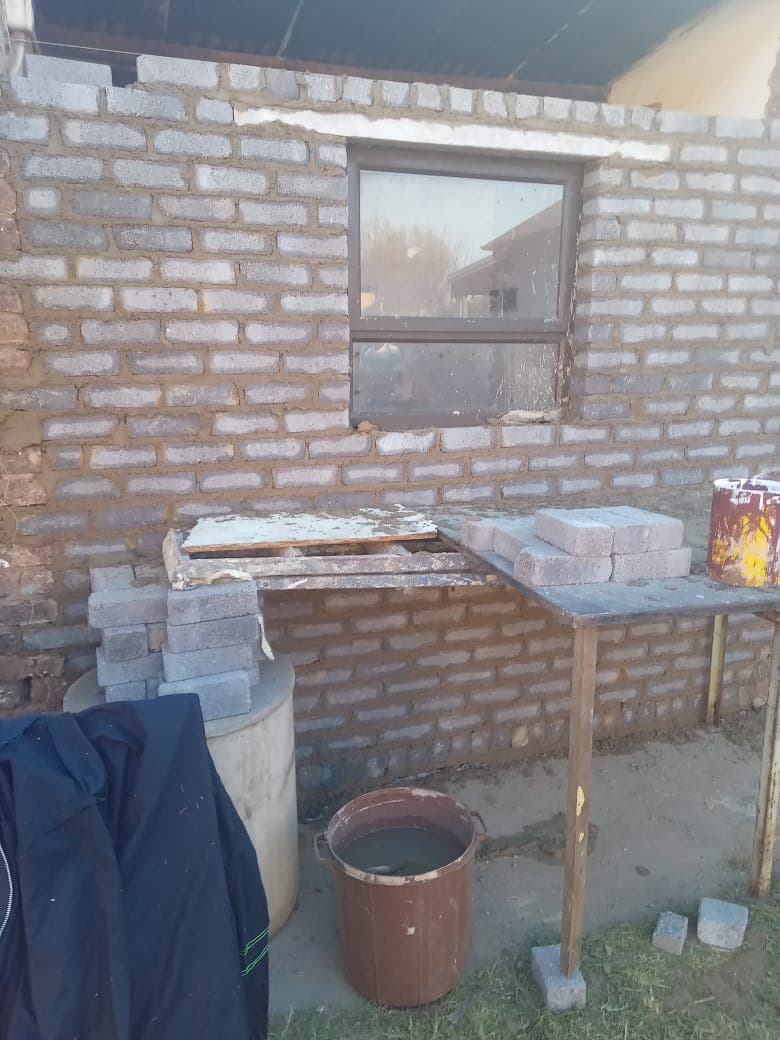
How to Plan a Granny Flat in Gauteng: Costs, Plans & Regulations
Granny flats (also called secondary dwellings or garden cottages) are one of the smartest property investments you can make in Gauteng. Whether you need extra accommodation for family, a work-from-home office, or rental income to help cover your bond, building a granny flat in Johannesburg, Pretoria, or surrounding areas requires careful planning. This guide covers costs, council approval, regulations, and practical advice from Sinqobile Construction's experience building granny flats across Gauteng.
What Is a Granny Flat in South Africa?
A granny flat is a self-contained secondary dwelling on an existing residential property, classified as a "secondary dwelling" or "second dwelling" under South African municipal by-laws. It typically includes a bedroom (or two), bathroom, kitchenette, and living area. In South Africa, it is classified as a "secondary dwelling" or "second dwelling" under municipal by-laws and must comply with the National Building Regulations (SANS 10400).
How Much Does a Granny Flat Cost in Gauteng?
A granny flat in Gauteng costs R250,000–R1,200,000 in 2026 depending on size and finish level. A mid-range 1-bedroom (40 m²) costs R480,000–R620,000 and generates R7,000+/month rental income:
Cost by Size and Finish Level
| Size | Budget Build | Mid-Range | Premium |
|---|---|---|---|
| Bachelor / Studio (25–30 m²) | R250,000 – R350,000 | R350,000 – R450,000 | R450,000 – R600,000 |
| 1-Bedroom (35–45 m²) | R350,000 – R480,000 | R480,000 – R620,000 | R620,000 – R800,000 |
| 2-Bedroom (50–65 m²) | R500,000 – R680,000 | R680,000 – R900,000 | R900,000 – R1,200,000 |
These prices include construction, basic finishes, plumbing, electrical, and connection to existing services. They exclude building plans, council fees, and site preparation (see below).
Cost Breakdown per Square Metre
| Build Level | Cost per m² | What You Get |
|---|---|---|
| Budget | R8,000 – R11,000 | Stock brick, basic fittings, vinyl flooring, standard kitchen |
| Mid-range | R11,000 – R14,000 | Face brick or plastered, porcelain tiles, quality fittings |
| Premium | R14,000 – R18,000 | Architectural design, premium finishes, underfloor heating |
Additional Costs to Budget For
| Item | Cost |
|---|---|
| Building plans (architect / draughtsperson) | R8,000 – R25,000 |
| Council plan submission and approval | R5,000 – R15,000 |
| Site preparation and excavation | R5,000 – R20,000 |
| Sewer / water connection to municipal services | R10,000 – R25,000 |
| Electrical connection and COC | R8,000 – R20,000 |
| Boundary wall / fencing (if required) | R15,000 – R40,000 |
| Paving / driveway access | R10,000 – R30,000 |
| Landscaping | R5,000 – R15,000 |
| Total additional costs | R66,000 – R190,000 |
How Do You Get Council Approval for a Granny Flat?
Council approval takes 4–12 weeks and is legally mandatory — building a granny flat without council-approved plans is illegal and can result in fines, demolition orders, and problems when selling your property. Here is the approval process:
Step 1: Zoning Check
Confirm your property is zoned for a secondary dwelling. Most residential properties in Johannesburg (Residential 1) allow a granny flat, but there are conditions:
- Maximum coverage (building footprint as % of stand) — typically 50–60%
- Maximum floor area ratio (FAR) — depends on your suburb
- Setback requirements — typically 1–3 m from boundaries
Step 2: Building Plans
Engage a registered draughtsperson or architect to draw plans that comply with SANS 10400 (National Building Regulations). Plans must include:
- Site plan showing the granny flat position on your property
- Floor plan, elevations, and sections
- Structural details (foundation, roof, walls)
- Plumbing and electrical layouts
- Energy efficiency compliance (SANS 10400-XA)
Step 3: Submit to Council
Submit plans to the City of Johannesburg, City of Tshwane (Pretoria), or relevant municipality. The submission requires:
- Completed application form
- 3 sets of building plans
- Title deed
- Zoning certificate
- Power of attorney (if submitted by someone other than the owner)
Step 4: Approval Timeline
- City of Johannesburg: 4–12 weeks (often 8–10 weeks)
- City of Tshwane: 6–12 weeks
- Ekurhuleni: 4–8 weeks
Plan approval can take longer if plans need amendments. Budget 3–4 months from plan submission to construction start.
Step 5: Construction and Inspections
During construction, the council building inspector will visit at key stages:
- Foundation inspection (before pouring concrete)
- Wall plate / structural inspection
- Final inspection (occupancy certificate)
You cannot legally occupy the granny flat until the final inspection is passed and an occupancy certificate is issued.
How Much Rental Income Can a Granny Flat Generate?
A granny flat generates R3,500–R16,000 per month in rental income depending on location and size, delivering a 15–25% annual return on investment. Here are current market rates:
| Location | Studio/Bachelor | 1-Bedroom | 2-Bedroom |
|---|---|---|---|
| Sandton / Bryanston | R5,000 – R7,500 | R7,500 – R10,000 | R10,000 – R14,000 |
| Fourways / Midrand | R4,000 – R6,000 | R6,000 – R8,500 | R8,500 – R11,000 |
| Randburg / Roodepoort | R3,500 – R5,500 | R5,500 – R7,500 | R7,500 – R9,500 |
| Pretoria / Centurion | R3,500 – R5,000 | R5,000 – R7,000 | R7,000 – R9,000 |
Return on Investment Example
A mid-range 1-bedroom granny flat in Fourways:
- Build cost: R550,000 (including plans and approvals)
- Monthly rental: R7,000
- Annual rental income: R84,000
- ROI: 15.3% per year
- Payback period: ~6.5 years
This is significantly better than most property investments and adds value to your property at the same time.
What Size Granny Flat Should You Build?
The right size depends on your target use — bachelor studios (25–30 m²) suit single tenants and Airbnb, while 2-bedroom units (50–65 m²) attract small families and command higher rent:
Bachelor / Studio (25–30 m²)
- Open-plan bedroom/living area
- Kitchenette along one wall
- Bathroom with shower
- Best for: Single tenants, students, Airbnb
1-Bedroom (35–45 m²)
- Separate bedroom
- Open-plan living/kitchen
- Full bathroom
- Best for: Couples, young professionals, family members
2-Bedroom (50–65 m²)
- Two bedrooms (main + second)
- Living area
- Kitchen
- Full bathroom
- Best for: Small families, higher rental income, elderly parents
What Are the Regulations for Granny Flats in Gauteng?
Eight key regulations apply to granny flats in Gauteng, from NHBRC enrolment to minimum ceiling height and fire compliance. Non-compliance can result in demolition orders and fines:
- NHBRC enrolment is required for any new residential construction. The builder must be NHBRC-registered — learn more about NHBRC registration
- Separate entrance — the granny flat must have independent access
- Own services — separate water meter (or sub-meter), electrical DB board, and sewer connection
- Minimum ceiling height — 2.4 m for habitable rooms
- Natural ventilation and light — each habitable room needs a window at least 10% of the floor area
- Fire compliance — fire-rated doors between garage and habitable areas (if applicable), smoke detectors
- Energy compliance (SANS 10400-XA) — ceiling insulation, hot water system efficiency, orientation considerations
- Parking — most municipalities require 1 additional parking bay per granny flat
What Are the Top Tips for Planning a Granny Flat?
The most important tip is to get plans approved before any construction starts — council can order demolition of unapproved structures. Here are seven planning essentials:
- Get plans approved first — Never start construction without approved plans. Council can order demolition of unapproved structures.
- Position for privacy — Place the granny flat at the rear of the property with a separate entrance for both your privacy and the tenant's.
- Consider services access — Building close to existing sewer and water lines reduces connection costs significantly.
- Build for rental — Even if it is for family now, design it to be rentable later. Separate entrance, own meter box, and a functional kitchen add value.
- Insulate the ceiling — Gauteng winters are cold and summers are hot. Proper insulation (R3.7 minimum for SANS compliance) keeps energy costs down.
- Quality waterproofing — Flat roofs (common on granny flats) need excellent waterproofing. Budget R200–R400 per m² for a proper torch-on membrane.
- Include a carport or covered parking — Adds R20,000–R50,000 to build cost but significantly increases rental appeal.
Why Choose Sinqobile Construction for Your Granny Flat?
Sinqobile Construction is an NHBRC-registered builder with extensive experience constructing granny flats across Gauteng. We provide:
- Turnkey service — from plans and council submission to construction and final inspection
- Fixed-price contracts — no surprises, milestone-based payments
- All trades in-house — building, plumbing, electrical, tiling, painting, plastering
- Quality finishes — we do not cut corners on waterproofing, insulation, or structural work
- Fast build times — a standard 1-bedroom granny flat takes 8–12 weeks from ground-breaking to handover
- All areas — Johannesburg, Sandton, Pretoria, Centurion, Midrand, Randburg, Fourways, Roodepoort
Contact us for a free granny flat consultation and quote: +27 82 868 8396
Last updated: April 2026. Prices reflect current Gauteng market rates. Council approval timelines and regulations may vary by municipality.